
Essential Fire Safety Measures in NSW
Learn what essential fire safety measures are in NSW, where to find your building's list, and how schedules, maintenance and statements connect.
People often search for one universal list of “essential fire services”. NSW compliance is more specific: the starting point is the building’s current fire safety schedule and approval history.
The schedule defines the building-specific list
The fire safety schedule identifies each essential and critical fire safety measure and the minimum performance standard it must achieve. Two buildings that look similar can have different schedules because of age, classification, design, approvals and Performance Solutions.
Use generic examples only to understand categories. Do not use them to add or remove measures from a statutory statement.
Common examples
Depending on the building, measures may include:
- fire hydrant and hose reel systems;
- automatic sprinkler or other suppression systems;
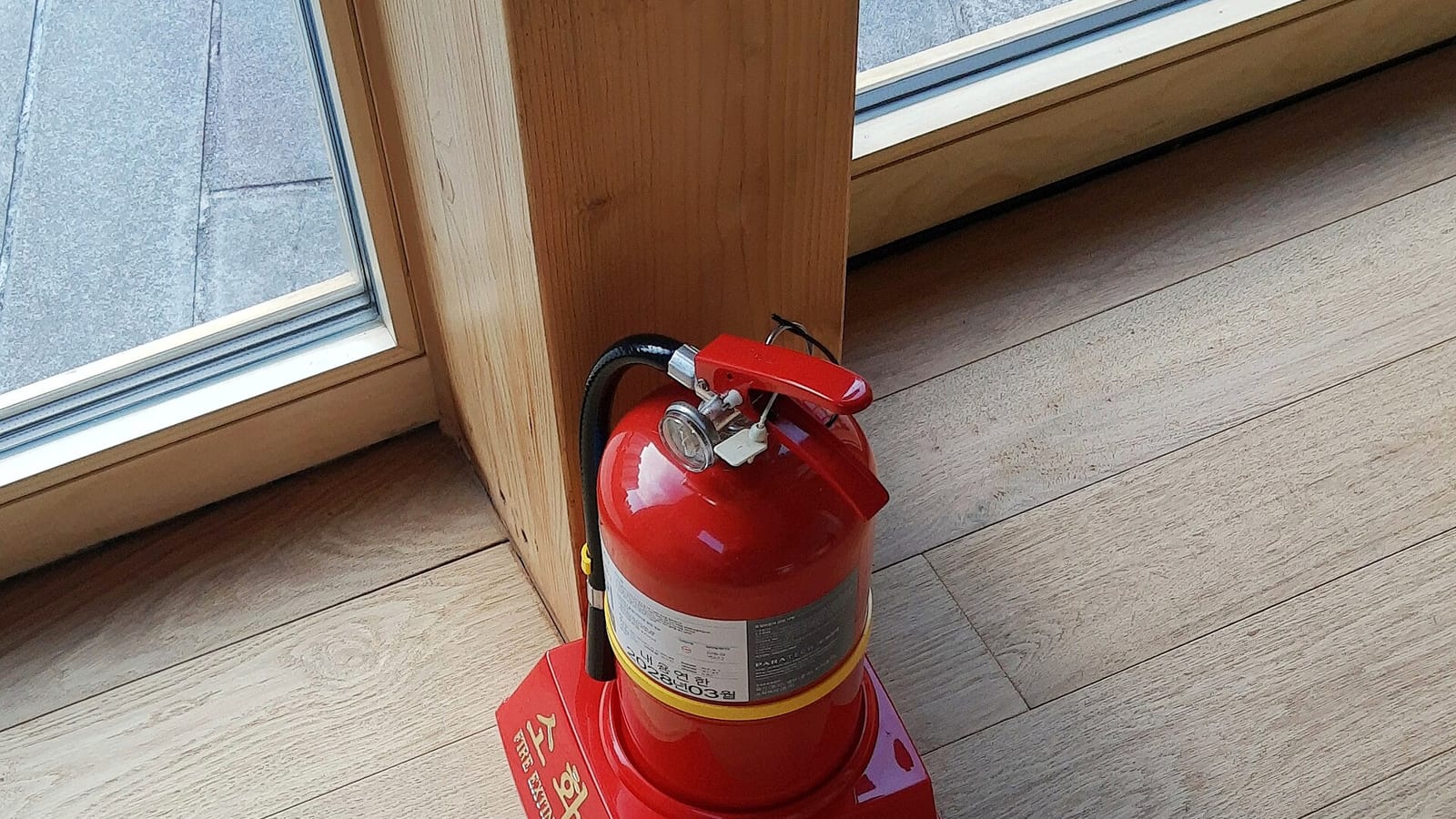
- portable fire extinguishers;
- fire detection and alarm systems;
- emergency warning and intercom systems;
- mechanically ducted smoke control;
- emergency lighting and exit signs;
- fire doors, smoke doors and fire shutters;
- fire-resisting construction and protected openings;
- paths of travel, exits and door hardware; and
- other measures required by an approval, order or Performance Solution.
For detailed system design, see our guides to fire hydrants and boosters, sprinkler systems and emergency lighting.
Essential versus critical measures
Essential measures are addressed through the annual fire safety statement process for applicable buildings. Critical fire safety measures are identified for more frequent supplementary statements at the intervals stated on the schedule.
The same physical system may have several components, but the schedule’s wording and performance standard determine the statutory assessment scope.
Minimum performance standards
A performance standard should tell assessors what the measure must achieve. It may reference the approved design, an Australian Standard, an NCC provision, a Performance Solution or another lawful basis.
Older buildings are not automatically rewritten to the newest NCC every year. Building Commission NSW explains that essential measures generally need to be maintained to the standard applying when they were constructed, as recorded on the schedule. Separate approved work, a new use, a fire-safety order or failure to meet the required standard may create additional obligations.
Maintenance and annual assessment
Maintenance keeps systems and equipment in working order. The annual assessment supports the owner’s statement that the scheduled measures can perform to their required standards.
From 13 February 2026, NSW requires covered essential measures in Class 1b and Class 2–9 buildings to follow AS 1851-2012 procedures, unless a relevant Performance Solution sets another maintenance standard. Some measures are not covered by AS 1851 and still need maintenance to their schedule or original design basis.
Read AS 1851-2012 fire testing rules in NSW for scope, records and the distinction from AFSS assessment.
What if the schedule is missing or wrong?
Do not create an unofficial replacement or omit a difficult measure from the AFSS. Gather:
- existing and previous schedules;
- development approvals and certificates;
- approved and as-built drawings;
- Performance Solution reports;
- prior fire safety certificates and statements; and
- maintenance and assessment records.
NSW provides a council process for reissuing schedules that are lost, destroyed or contain specified errors or omissions. A building-specific evidence review is usually needed.
For new work, ensure the issued schedule matches the approved design before construction is complete. NEPA supports coordinated fire-services documentation for Fire CDC projects. Contact us where new design work affects existing scheduled measures.
Common questions
Frequently asked questions
What are examples of essential fire safety measures?
Examples can include hydrants, hose reels, sprinklers, detection and alarms, smoke control, emergency lighting, exit signs, fire doors, exits and other measures. The actual statutory list is building-specific.
Where do I find my building's measures?
Check the current fire safety schedule and the displayed annual fire safety statement. If records are missing or inconsistent, contact the council and review the building's approval history.
What is a critical fire safety measure?
A critical measure is identified on the fire safety schedule as requiring a supplementary fire safety statement at the shorter interval stated on that schedule.
Does maintenance require upgrading an old building to the latest NCC?
Not automatically. NSW guidance states that essential measures generally need to be maintained to the scheduled or original performance standard. Approved work, orders, changed use or other statutory processes may separately require upgrades.
Official sources
- NSW Government — Fire Safety Schedule template
- Building Commission NSW — AS 1851 owner responsibilities
- NSW legislation — Development Certification and Fire Safety Regulation 2021
This article provides general information for NSW projects. Planning, certification and fire-safety requirements depend on the site, building classification, proposed use, scope and applicable law. Confirm the requirements for your project with the registered certifier, council and appropriately qualified practitioners.