

Fire Alarms, Detection and EWIS in NSW
Understand the differences between fire detection, alarms, occupant warning, EWIS and FRNSW monitoring for NSW CDC building projects.
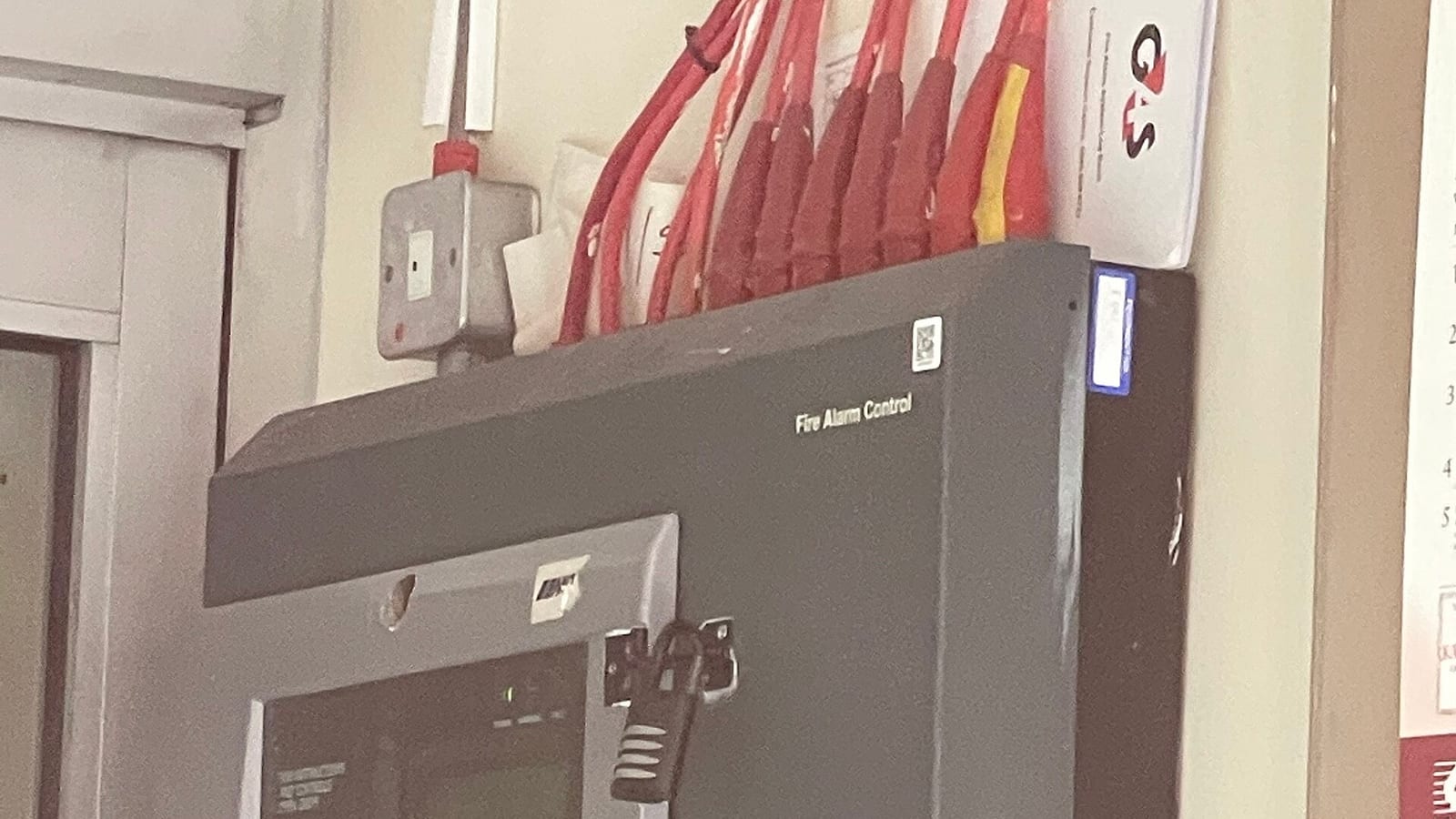
A coordinated fire strategy uses precise system names. “Install a fire alarm” is not enough information to design detection, warning, controls and brigade interfaces for a commercial or multi-residential building.
Domestic smoke alarms
Smoke alarms used in houses and some residential contexts are different from a building fire detection and alarm system. Their power, interconnection, location and performance requirements follow the applicable residential provisions and standards.
Do not assume that adding domestic alarms satisfies the requirements for a Class 2–9 building or a changed use.
Fire detection and alarm systems
A building system can include smoke, heat or other detectors, manual call points, control and indicating equipment, sounders, visual warning devices and interfaces to other systems.
The design should define:
- detection zones and device locations;
- alarm and fault monitoring;
- fire indicator panel location and access;
- power supplies and cable pathways;
- interfaces and control outputs; and
- testing and commissioning requirements.
Device placement must be coordinated with ceilings, air movement, obstructions, sprinklers and room use.
Occupant warning and EWIS
Occupant warning alerts people to evacuate or follow emergency instructions. An emergency warning and intercom system (EWIS) provides more structured warning and, where required, communication between wardens and control points.
The NCC requirements vary with classification, effective height, scale and occupant characteristics. Buildings with sleeping, health-care, aged-care or large assembly populations can need different strategies from a small office.
The cause-and-effect matrix
The cause-and-effect matrix is the shared control logic for the fire systems. It can define responses to detector alarms, sprinkler flow, manual call points and system faults. Outputs may include:
- occupant warning or EWIS sequences;
- smoke exhaust and pressurisation fans;
- air-handling shutdown;
- door release and access-control override;
- lift homing or other lift functions;
- smoke or fire damper operation; and
- alarm transmission.
Electrical, mechanical, fire and lift contractors should commission these interfaces together. Testing one system in isolation can miss a failure in the overall sequence.
FRNSW alarm monitoring
A compliant detection panel is not automatically connected to the Fire and Rescue NSW automatic alarm network. Connection, designated entry points, monitoring equipment and service-provider arrangements follow separate requirements.
Confirm whether the approval, building use or system design requires monitoring and use current FRNSW guidance. Avoid promising that every alarm will cause an automatic brigade response.
Standards and code editions
The Standards Australia catalogue can show a newer edition than the edition referenced by the NCC applicable to the project. NSW currently applies NCC 2022 Amendment 2 to relevant 2026 CDC applications. The design team must check the referenced-document schedule, NSW variations and any transition rules rather than automatically selecting the newest catalogue publication.
Design information for a CDC
A coordinated package may include:
- detection and alarm floor plans;
- system schematics and panel information;
- occupant-warning or EWIS layouts;
- cause-and-effect matrix;
- mechanical, door and lift interfaces;
- cable and power requirements;
- required system-plan endorsement; and
- commissioning and handover requirements.
For the wider system matrix, read CDC fire services for Class 2–9 buildings. NEPA coordinates detection and control information within its Fire CDC service. Contact us before system interfaces are split across separate packages.
Common questions
Frequently asked questions
What is the difference between a fire alarm and EWIS?
A fire detection and alarm system detects fire conditions and initiates alarms or controls. An emergency warning and intercom system provides organised occupant warning and, where required, emergency communication.
When is an EWIS required in NSW?
Requirements depend on the applicable NCC provisions, NSW variations and building characteristics. Classification, effective height, size and occupant profile should be assessed for the project.
Does every fire alarm connect to FRNSW?
No. Brigade monitoring and connection requirements are separate from the local detection and warning design. Confirm the project's code, approval and FRNSW requirements.
What is a cause-and-effect matrix?
It records how fire inputs such as detectors, manual call points or sprinkler flow cause outputs such as alarms, fan operation, door release, lift control and mechanical shutdown.
Official sources
- ABCB — NCC 2022 Volume One Part E2
- ABCB — NCC 2022 Volume One Part E4
- FRNSW — Automatic Fire Alarms
- Standards Australia — AS 1670.1 catalogue
This article provides general information for NSW projects. Planning, certification and fire-safety requirements depend on the site, building classification, proposed use, scope and applicable law. Confirm the requirements for your project with the registered certifier, council and appropriately qualified practitioners.