Fire Safety Requirements for CDC Projects in NSW
Obtaining a Complying Development Certificate (CDC) in New South Wales is one of the fastest ways to gain building approval for eligible developments. Although the CDC process is faster than a traditional Development Application (DA), buildings must still comply with the National Construction Code (NCC) and Australian fire safety standards.
Many builders, architects, and developers in Sydney face challenges understanding the fire safety requirements involved in CDC projects. Fire systems such as sprinklers, hydrants, smoke detectors, emergency lighting, and exit signage must be correctly designed and documented before approval can be issued.
What Is a CDC in NSW?
A Complying Development Certificate (CDC) is a combined planning and construction approval process used for certain types of developments in New South Wales. It allows construction to begin faster compared to the standard council approval pathway.
CDC approvals are commonly used for boarding houses, commercial fit-outs, industrial buildings, retail spaces, apartment developments, and residential additions.
Even though the approval process is simplified, all projects must still meet strict fire safety requirements.
Why Fire Safety Design Is Important
Fire safety design helps protect building occupants during emergencies and ensures the building complies with Australian regulations.
Before a certifier issues a CDC approval, they must confirm that all required fire systems have been properly designed. Without correct fire documentation, projects can experience delays or approval issues.
Professional fire safety design usually includes fire services drawings, fire safety schedules, system layouts, and compliance documentation.
Fire Safety Documents Required for CDC Projects
Most CDC projects require fire safety documentation to demonstrate compliance with the NCC and Australian Standards.
Common documents include fire sprinkler drawings, fire hydrant layouts, fire alarm drawings, emergency lighting plans, exit signage layouts, and fire block plans.
Many projects also require a Fire Safety Schedule, which lists all essential fire safety measures installed within the building.
For complex developments, a Fire Engineering Report may also be required. These reports are used when a building uses performance solutions instead of standard NCC Deemed-to-Satisfy provisions.
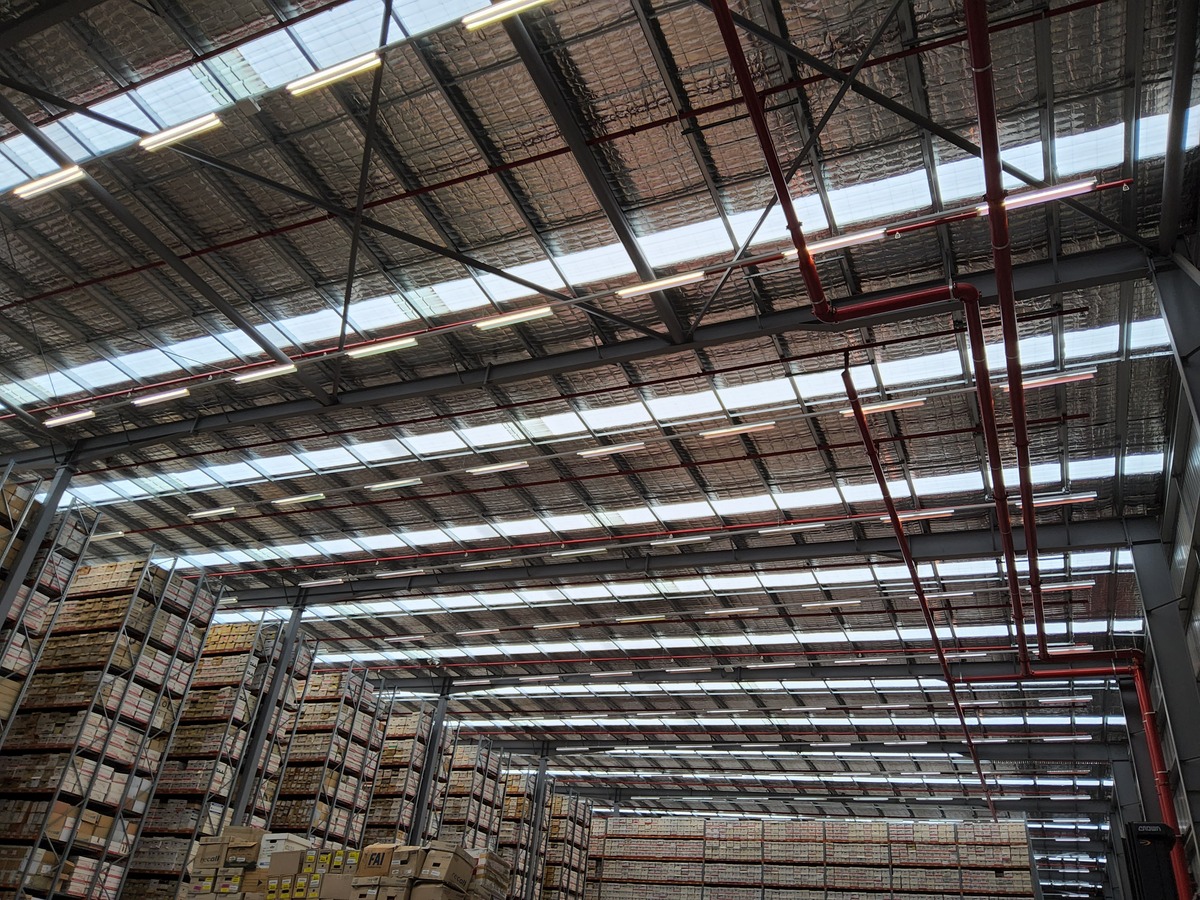
Fire Sprinkler Systems
Fire sprinkler systems are commonly required in boarding houses, commercial buildings, and larger residential developments.
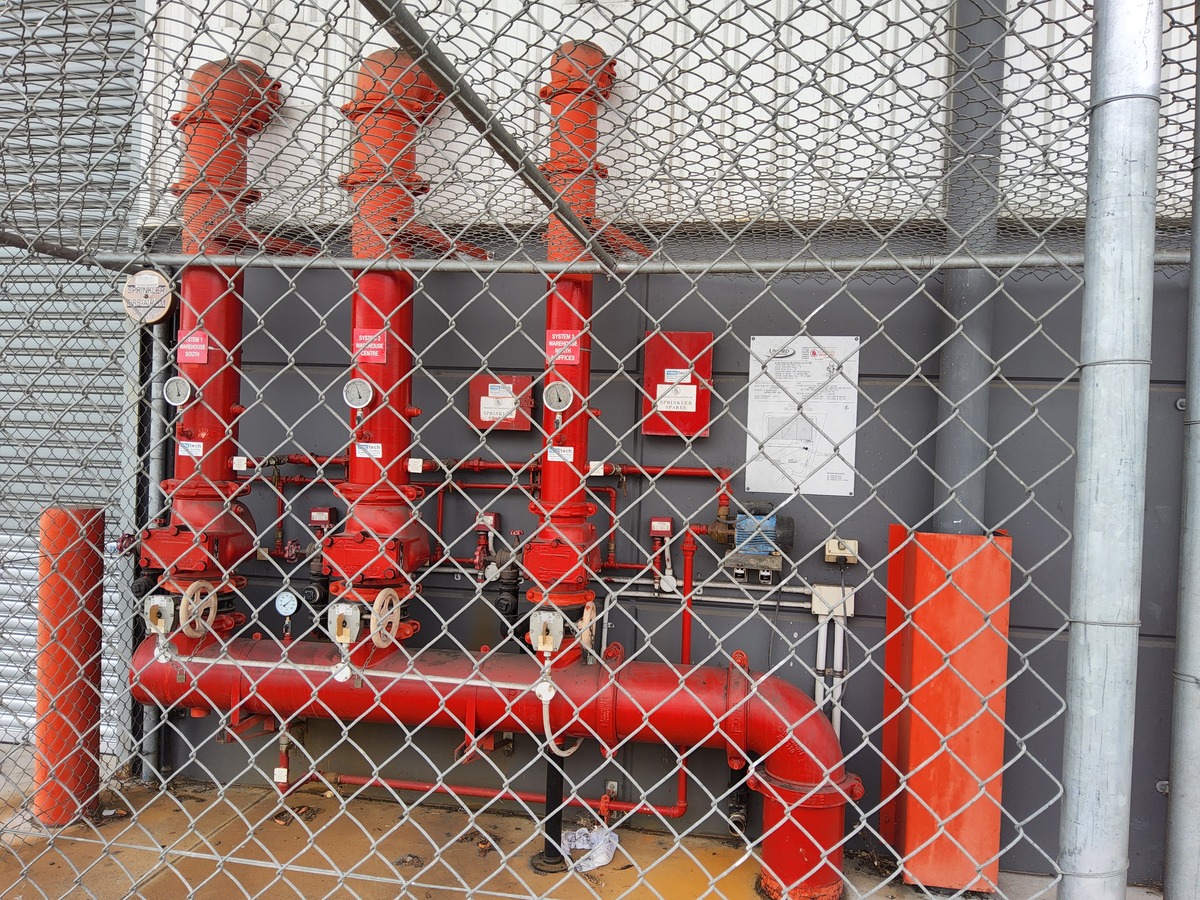
These systems automatically control fires by releasing water when heat activates sprinkler heads. Sprinkler systems in Australia are typically designed in accordance with AS 2118.
Proper sprinkler design includes hydraulic calculations, pipework layouts, and water flow analysis to ensure the system operates correctly during emergencies.
Fire Hydrant Systems
Fire hydrant systems provide firefighters with access to water during firefighting operations.
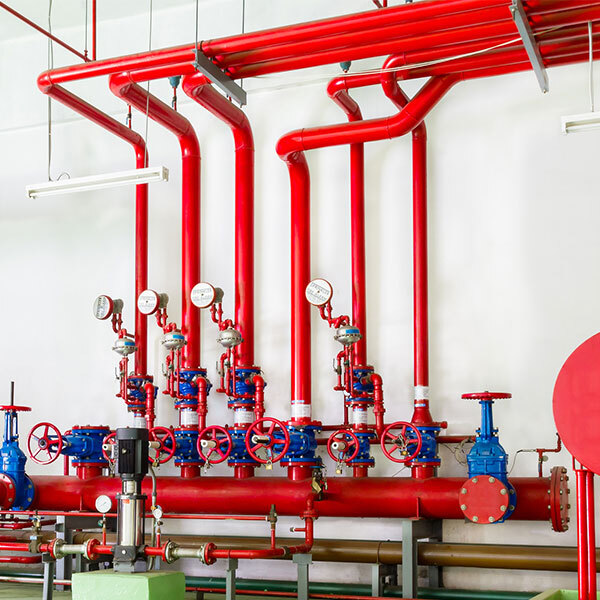
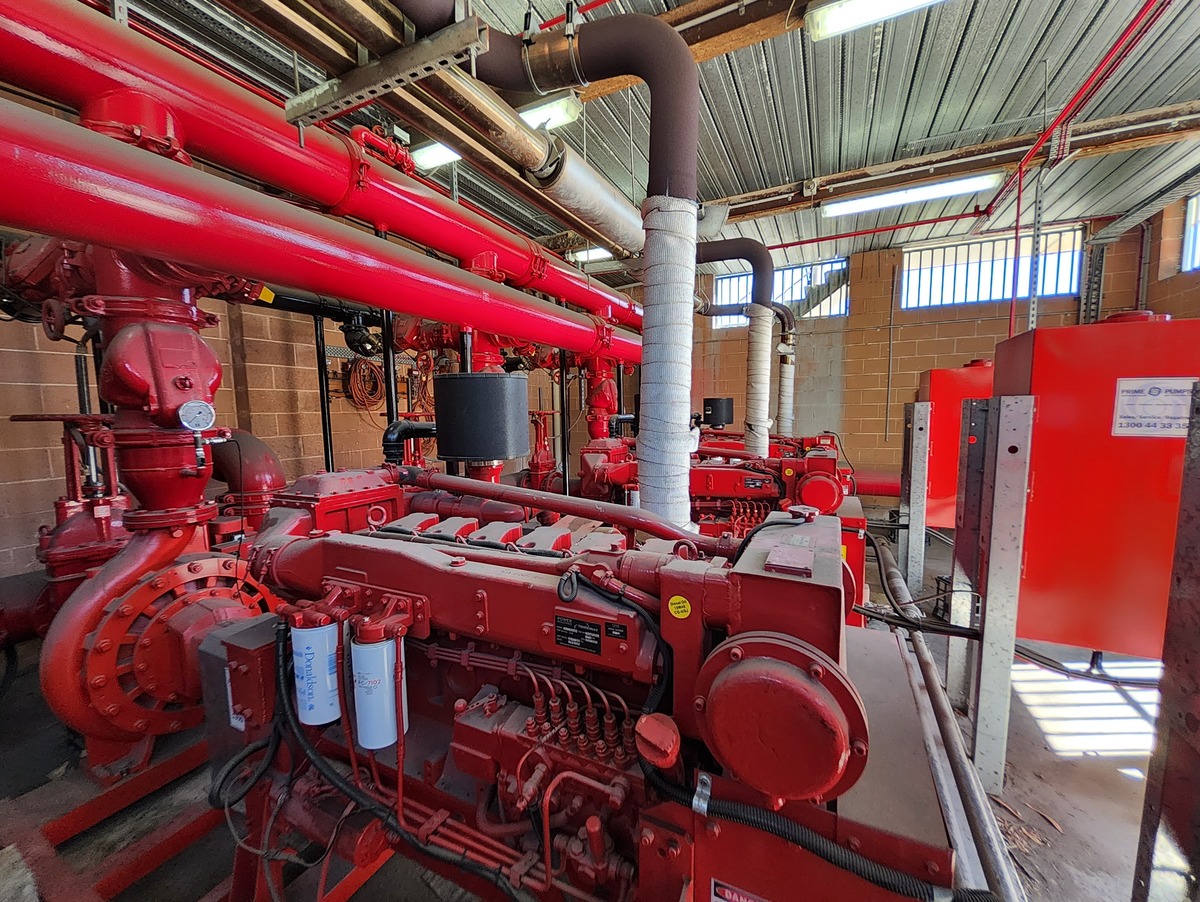
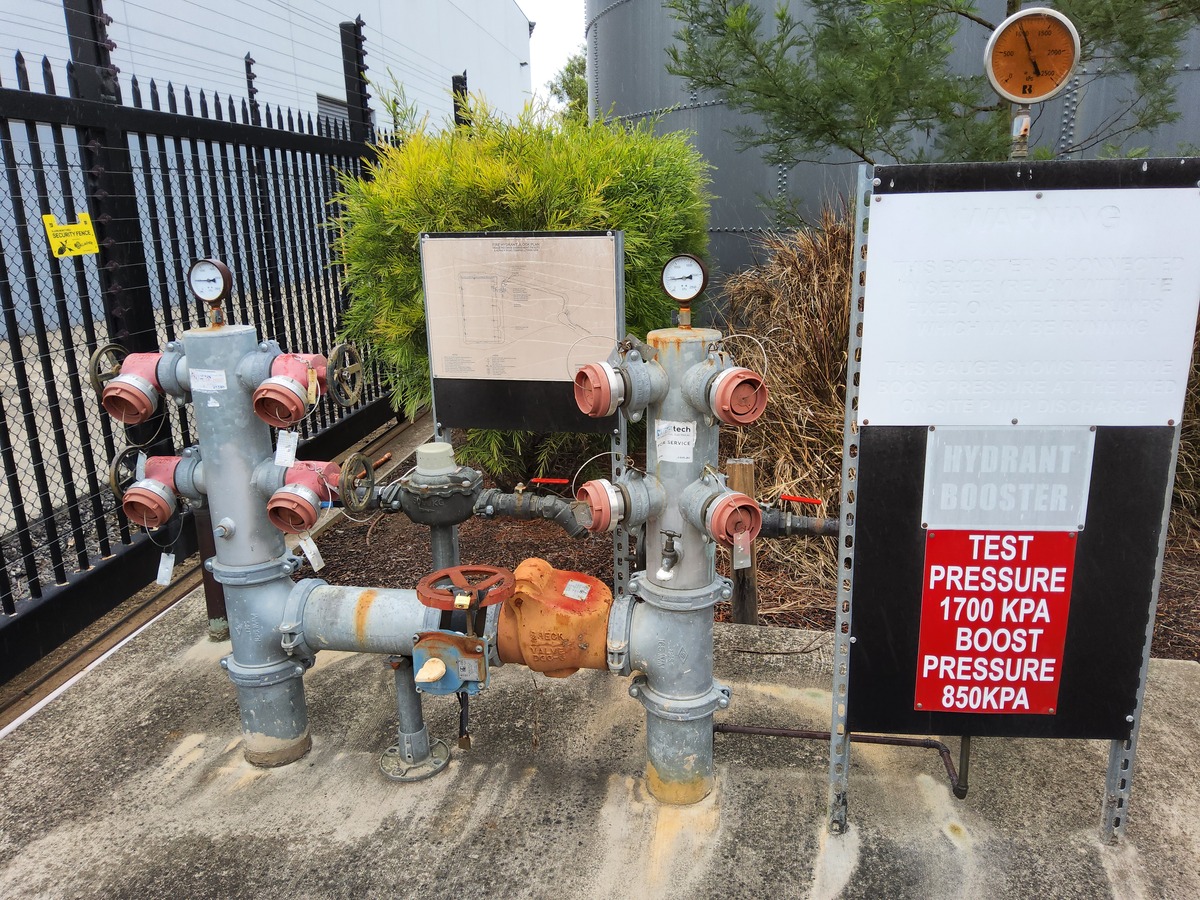
These systems may include external hydrant boosters, internal hydrant valves, and dedicated fire pumps depending on the building type and size.
Correct hydrant coverage and water pressure are essential for compliance and firefighter safety.
Fire Detection and Alarm Systems
Fire detection systems are designed to alert occupants when smoke or heat is detected.
These systems often include smoke detectors, heat detectors, fire indicator panels, and occupant warning systems.
Buildings with sleeping occupants, such as boarding houses, usually require more advanced fire detection systems for improved safety.
Emergency Lighting and Exit Signage
Emergency lighting and exit signage help occupants safely evacuate buildings during fire emergencies.
Emergency lights ensure evacuation paths remain visible during power failures, while illuminated exit signs clearly identify escape routes.
These systems are mandatory in most commercial and multi-residential developments.
Common Fire Compliance Issues in CDC Projects
Although CDC approvals are designed to speed up development approvals, fire compliance issues can still create delays.
Common problems include incorrect sprinkler layouts, inadequate hydrant coverage, missing fire documentation, and non-compliant exit travel distances.
Addressing fire safety requirements early in the design stage helps reduce construction delays and costly changes later in the project.
Benefits of Professional Fire Safety Design
Working with experienced fire consultants helps builders and developers achieve faster approvals and smoother construction processes.
Professional fire designers ensure that all fire systems comply with Australian Standards and NCC requirements while improving overall building safety.
Proper coordination between architects, hydraulic engineers, and fire consultants also helps minimize design conflicts during construction.
Choosing the Right Fire Safety Consultant in Sydney
Choosing an experienced fire safety consultant is important for ensuring accurate and compliant fire documentation.
It is important to select professionals with experience in CDC projects, strong knowledge of the NCC, and familiarity with Australian fire safety standards.
Experienced fire consultants can assist with fire services drawings, fire block plans, fire safety schedules, compliance reviews, and coordination with certifiers.
Conclusion
Fire safety design is an essential part of obtaining a Complying Development Certificate in NSW. Proper fire documentation helps ensure buildings comply with Australian regulations while protecting occupants during emergencies.
For builders, architects, and developers working on CDC projects in Sydney, engaging experienced fire professionals early in the project can help simplify approvals, reduce delays, and improve compliance outcomes.
Well-designed fire systems and accurate fire safety documentation play a critical role in delivering safe and compliant buildings.