

Backflow Prevention: Protecting the Drinking Water Supply
Why backflow prevention matters in building hydraulic design — hazard ratings, device selection and the Sydney Water requirements that catch projects out.
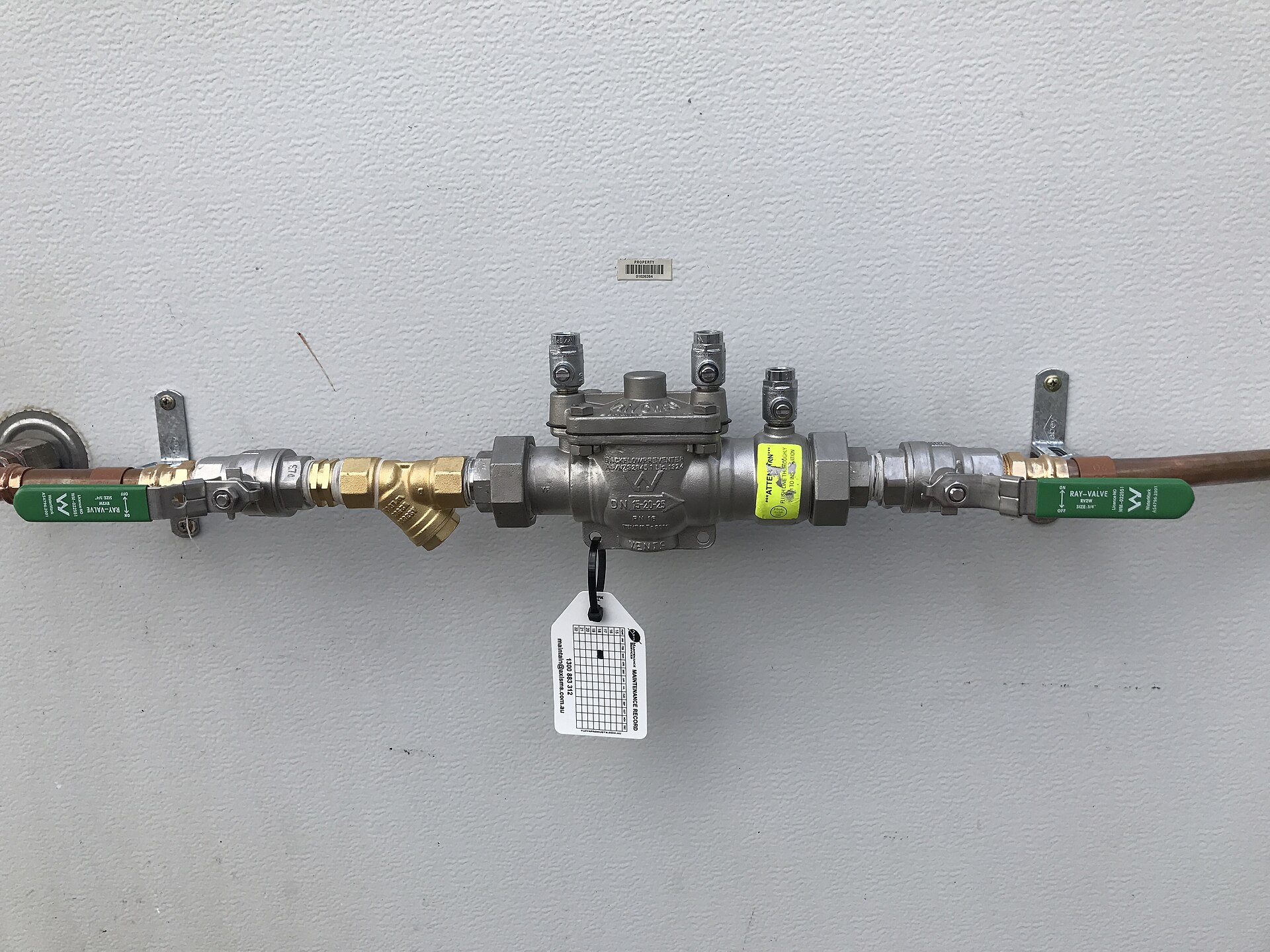
Backflow prevention is one of the least glamorous parts of a hydraulic design and one of the most important. Its job is to stop water inside a building ever flowing back into the drinking-water main and contaminating the public supply — a risk that is invisible until something goes wrong.
How backflow happens
Backflow occurs when the normal direction of flow reverses, usually because of a sudden pressure change — a main burst, heavy firefighting draw-off, or a pump creating back-pressure. If there is a cross-connection between the clean supply and a potential contaminant, that reversal can draw the contaminant into the mains. The higher the hazard, the more serious the consequence.
Match the device to the hazard
The correct backflow device depends on the hazard rating of the connection, which is assessed against the relevant standards and Sydney Water’s requirements:
- High hazard — where backflow could cause illness or death (e.g. fire systems with additives, trade waste, chemical dosing). Requires the highest level of protection, typically a registered air gap or reduced-pressure zone (RPZ) device.
- Medium hazard — where backflow could cause illness; commonly a double-check valve assembly.
- Low hazard — where backflow is objectionable but not dangerous; a lower-level device may suffice.
Specifying one level too low creates a compliance and safety problem; one level too high adds unnecessary cost and ongoing testing obligations. Getting it right is a design decision, not a default.
Testing and access are part of the design
Testable backflow devices must be registered and inspected periodically, so they have to be located where a technician can actually reach and test them. A device buried behind plant or boxed into a riser passes on day one and becomes a maintenance headache for the life of the building. Good hydraulic design places devices with their whole service life in mind.
Coordinated with fire and the incoming services
Backflow protection sits right at the junction of the incoming water supply, the fire-hydrant and sprinkler connections and the domestic reticulation. Because NEPA designs hydraulic and fire services together, these connections and their protection are resolved as one — keeping the design compliant with Sydney Water and avoiding surprises at connection.
Need a hydraulic design that satisfies Sydney Water first time? Get in touch with our hydraulic team.